You’ve bought the paint. You’ve cleared the room. Roller in one hand, brush in the other.
Then the classic DIY panic hits:
Do I paint the walls or the trim first?
This tiny decision affects:
- How fast you finish
- How crisp your lines look
- How many annoying touch-ups you do at the end
Get the order wrong and you spend your Sunday fixing tiny mistakes with a detail brush. Get it right and your room looks professionally done – even if this is your first big paint job.
Let’s walk through both orders, what actually happens in real life, and how to choose the best one for you.
Painting Walls First
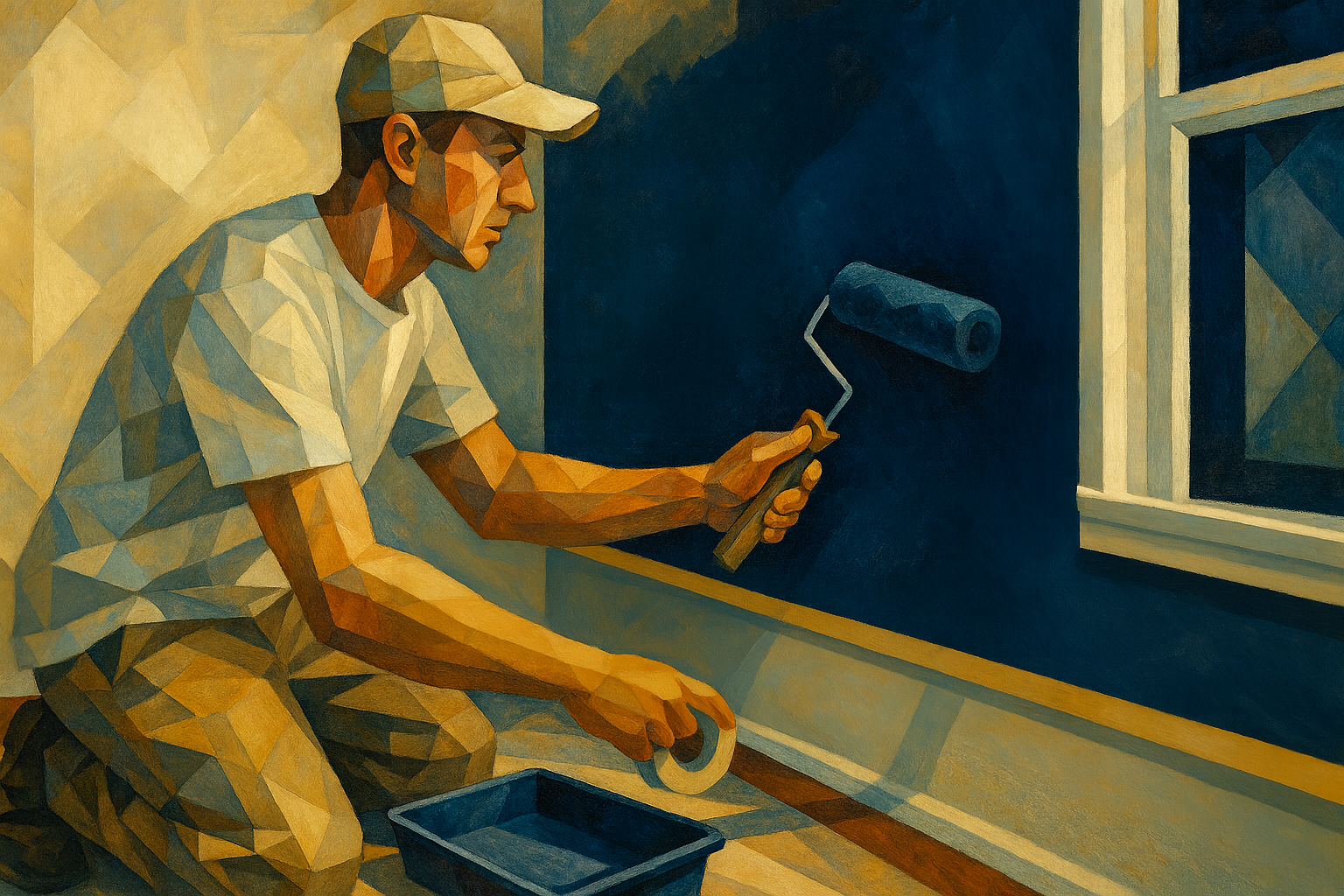
Painting walls first is the go-to for many DIYers. You get the big, satisfying transformation early, and you don’t stress about perfect edges on day one.
Pros of Painting Walls First
- Faster rolling with less stress
When you paint walls first, you can:
- Roll quickly right up near the trim
- Be slightly sloppy at the edges
- Fix the messy bits later with trim paint
You’re not trying to paint a perfect line where wall meets trim on your first pass. That takes pressure off.
- Small wall mistakes are easy to hide with trim later
If your wall colour creeps onto the trim, that’s okay. You’ll:
- Let the wall paint dry fully
- Tape the wall along the trim line
- Come back with trim paint and cover the overlap
This is especially handy if your trim is white and your wall is a darker colour. White trim covers edge mistakes beautifully.
- Great when trim is already in decent shape
If your trim is:
- Already painted
- In good condition
- Only needs a light refresh (or none at all)
…then walls-first makes sense. You focus on the main change – the wall colour – and only repaint trim if it really needs it.
Key takeaway: Walls-first is the “get it done and fix the details later” approach. Ideal if your main goal is a fresh wall colour, not perfect trim restoration.
Cons of Painting Walls First
- Taping trim later takes patience
Once the walls are dry, you’ll likely:
- Run painter’s tape along the trim
- Protect your fresh wall colour while repainting trim
- Work slowly at the edges
If you rush the taping, you’ll get wobbly lines or bleed-through.
- High-contrast colours make mistakes obvious
If your combo is, say:
- Navy walls with
- Bright white trim
…then any tiny wobble shows.
Walls-first still works, but you need sharper taping and better technique when you come back to do the trim.
- Not ideal if trim needs major prep
If your trim is:
- Chipped
- Glossy with old oil-based paint
- Full of nail holes and dents
You’ll be sanding, filling, and priming a lot. In that case, starting with trim prep and trim paint can be more efficient. Walls-first might just get in the way of all that dust and patching.
Painting Trim First

Painting trim first is what many pros do, especially during more thorough renos or new builds.
Why? Because trim is detailed work. And it’s easier to be fussy about it before you splash wall paint everywhere.
Pros of Painting Trim First
- Crisp lines are easier to get later on the walls
Here’s the usual trim-first workflow:
- Prep and paint all trim (baseboards, door frames, window casings)
- Let trim fully cure
- Tape along the trim
- Paint the walls, cutting in along the taped edge
The tape goes on the trim, not the wall. That makes it easier to:
- Protect the trim
- Roll and brush the wall quickly
- Get a sharp line along the baseboard and frames
- You can be messy on walls while doing trim
When trim goes first, you’re free to:
- Slightly brush onto the wall while cutting trim
- Focus on smoothing and levelling your trim paint
- Sand and recoat without worrying about wall marks
Later, wall paint covers those trim-over-wall overlaps. So your trim work can be all about finish quality.
- Best for serious trim upgrades
If your project includes:
- Sanding glossy trim
- Filling gaps with caulk
- Priming stained wood
- Switching to a new trim colour (e.g., yellowed cream to crisp white)
…starting with trim is often more efficient. You get all the dusty, fussy work out of the way before you touch the walls.
Fun fact:
Pro painters often say: “Trim is furniture for your walls.” Treating trim first means you’re finishing the ‘furniture’ before dressing the ‘background’.
Cons of Painting Trim First
- Splatter and drips can land on finished trim
Rolling walls later can send tiny splatters onto your beautifully finished trim.
Yes, you can:
- Use painter’s tape
- Use a careful rolling technique
But if you’re new to painting, you’ll likely still get a bit of spatter that needs wiping or touch-ups.
- More waiting for trim to cure before taping
Trim paint – often semi-gloss or satin – needs proper curing time before you stick tape on it. If you tape too soon, you risk:
- Peeling paint when you remove the tape
- Leaving impressions in the finish
That wait can slow the project down if you’re trying to do everything in one weekend.
- Can feel more intimidating for beginners
Trim is less forgiving than walls. Every brush stroke shows more. If you’re brand new and nervous, starting with the most detailed part of the room can feel like jumping into the deep end on day one.
Walls First vs Trim First: Quick Comparison
| Order | Best For | Main Pros | Main Cons |
| Walls first | DIYers focused on a fast wall transformation | Faster rolling, easy to hide mistakes with trim later | More careful taping of trim later |
| Trim first | Projects with beat-up trim or new trim installations | Crisp lines, pro-level trim finish, easier to tape walls | Risk of splatter on finished trim, longer cure times |
Key Factors to Consider Before You Decide
Before you pick a side in the walls-vs-trim battle, run your room through these filters.
1. Surface condition
Ask yourself:
- Is the trim in rough shape?
- Chips, gaps, old glossy paint, visible caulk lines?
- If yes, trim-first is smart so you can sand, fill, and prime without worrying about your walls.
- Are the walls the real problem?
- Scuffs, old colour, minor nail holes?
- Walls-first makes sense when the walls are the main visual issue.
Rule of thumb:
Fix and paint the worst surface first, as it usually requires the most prep.
2. Colour contrast
The bigger the contrast, the higher the stakes.
- Low contrast (e.g., soft grey walls + off-white trim):
- Mistakes are fairly forgiving
- Either order works – choose what feels easier
- High contrast (e.g., charcoal walls + bright white trim):
- Every wobble screams at you
- Trim-first often wins here because taping onto solid, cured trim can give razor-sharp lines when you paint the walls
Key takeaway:
The higher the colour contrast, the more your paint order and taping technique matter.
3. Your personal skill level
Be brutally honest:
- Are you comfortable cutting in a straight line with a brush?
- If yes, you can thrive with either order.
- If no, choose the order that lets you rely more on tape and tools.
- Do you tend to rush?
- If yes, go for the simpler workflow for you – usually walls-first with minimal fussy taping in the beginning.
Remember, you’re not trying to paint like a 20-year pro on day one. You’re trying to get a result you’re proud of, without hating the process.
Technique Tips That Matter More Than Order
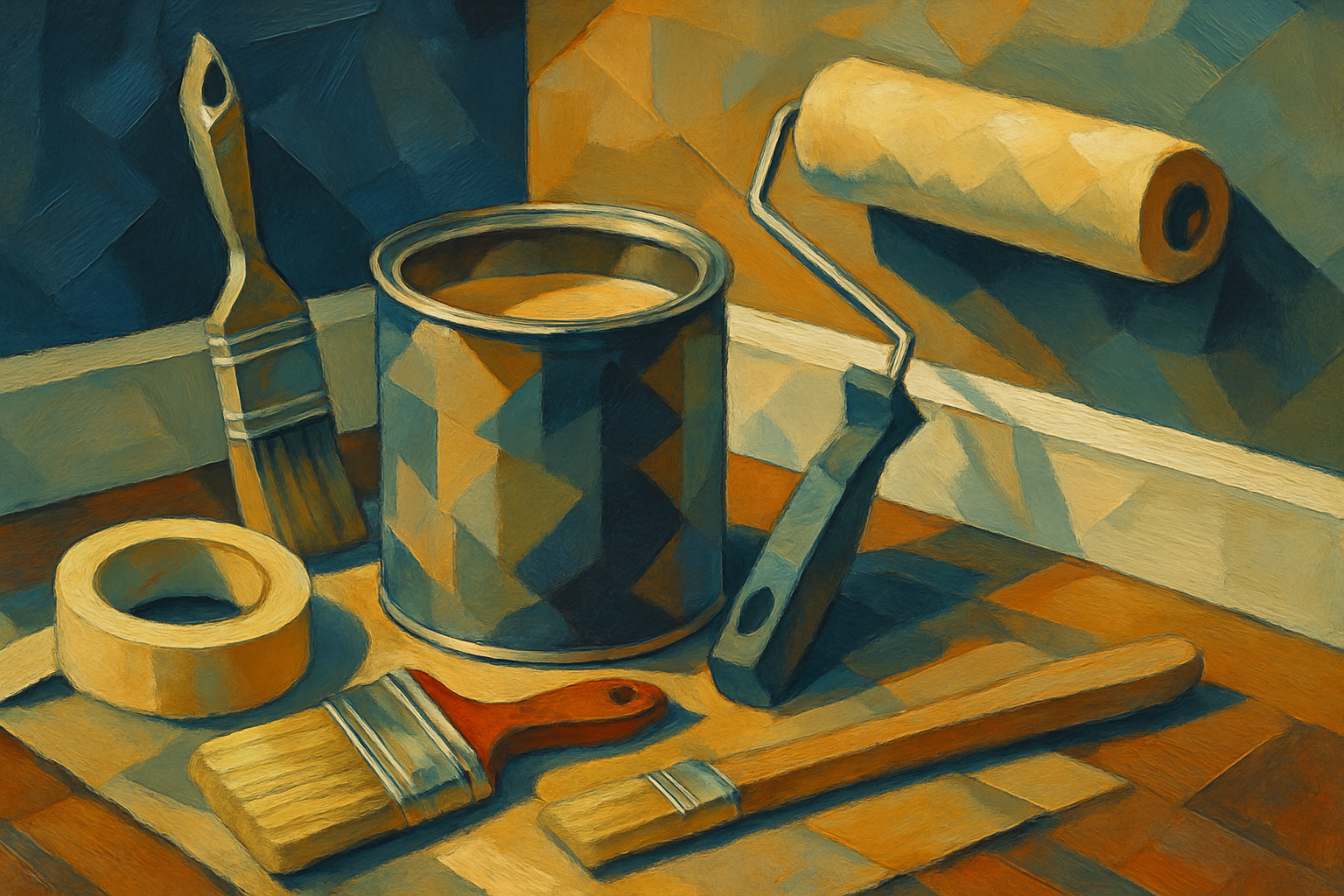
No matter which order you choose, how you paint matters more than the theory.
1. Use quality tools
Invest in:
- A 2–2.5″ angled sash brush for cutting in along trim and corners
- A good roller (microfibre or shed-resistant) suited to your wall texture
- Painter’s tape that states “clean removal” and “sharp lines”
- A paint edger if you’re nervous about cutting in near ceilings or trim
Cheap tools = more frustration, more brush marks, more touch-ups.
2. Prep properly (even if you’re impatient)
Quick checklist before you crack the lid:
- Wipe dust from baseboards and trim
- Fill nail holes and small dents
- Sand glossy areas lightly so paint can grip
- Caulk gaps between trim and wall for clean lines
- Stir paint thoroughly (don’t just shake the can for 3 seconds)
3. Tape smarter, not harder
A few pro-style habits:
- Press tape down firmly with a putty knife or a clean fingernail
- Don’t stretch the tape – that can cause lifting
- For super crisp lines, lightly brush the existing wall or trim colour over the tape first to seal the edge, let it dry, then apply the new colour
- Remove tape while the paint is still slightly tacky, pulling it back at a 45° angle
4. Work in the right order within each surface
Whether it’s walls or trim, follow this micro-order:
- Cut in edges with a brush
- Immediately roll the open areas while the cut-in section is still wet
- Maintain a wet edge to avoid lap marks
This rhythm gives you smooth, even coverage. No stripes, no visible “patches”.
5. Respect drying and curing times
The label is not a suggestion. It’s a boundary.
- Wait the recommended recoat time before applying the next coat
- Wait the recommended cure time before applying tape to freshly painted trim or walls
Rushing this step is how you end up peeling off paint with your tape and needing to redo work you already finished.
Suggested Order for DIYers
So, if you’re a typical DIYer painting a “normal” room (walls + existing trim), what should you actually do?
Here’s a practical, beginner-friendly sequence many experts recommend:
Recommended Order: Walls First, Trim Second
Step-by-step
- Prep everything
- Clean, fill, sand, and caulk as needed
- Lay drop cloths, remove outlet covers
- Cut in and roll the walls (first coat)
- Use your angled brush along the edges
- Roll the main wall area right away
- Apply the second coat on walls
- Same routine: cut in + roll
- Let walls dry fully
- Tape the walls along the trim line
- Use painter’s tape where wall meets trim
- Press firmly for a clean seal
- Paint the trim
- Work in sections: baseboards, then windows, then doors
- Two coats if needed, sanding lightly between coats for the smoothest finish
- Remove tape carefully while trim is still slightly tacky
- Pull back at a 45° angle
- Touch up any tiny misses with a small artist brush
Key takeaway:
For most DIYers repainting an average room, “walls first, trim second” offers the best mix of speed, forgiveness, and final result.
When to bend this rule
Choose trim first if:
- Your trim is in terrible shape and needs major sanding, filling, and priming
- You’re installing new trim and want a showroom finish
- You’re working with strong high-contrast colours and want razor-sharp lines around perfectly finished trim
In those cases, go:
- Prep + paint trim
- Let trim cure fully
- Tape trim
- Paint walls
- Remove tape and do micro touch-ups
Final Word
You don’t need to stress over whether “walls first” or “trim first” is the one true method.
Instead:
- Look at your room
- Look at your surfaces
- Be honest about your skill level and patience
Then pick the order that gives you:
- The most forgiveness
- The fewest fussy decisions
- A result that looks sharp when you stand in the doorway and take it all in
If you want, tell me a bit about your room (current colours, trim condition, and your comfort level with painting), and I’ll map out a custom, step-by-step order tailored to your exact space.