You roll on that fresh new colour. It looks perfect.
Now you are staring at the wall, wondering:
Can I touch it? Recoat it? Move the sofa back without a permanent paint tattoo?
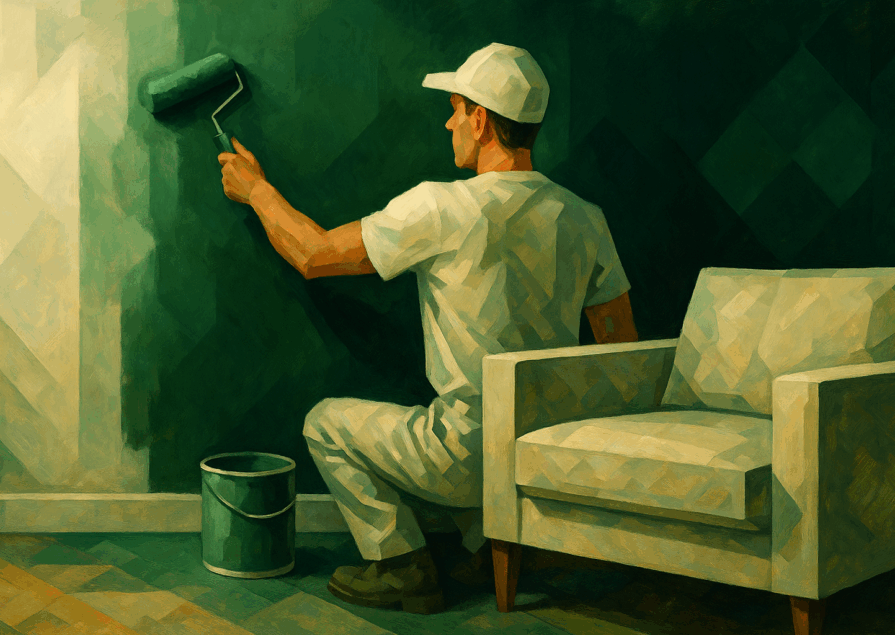
You roll on that fresh new colour. It looks perfect.
Now you are staring at the wall, wondering:
Can I touch it? Recoat it? Move the sofa back without a permanent paint tattoo?
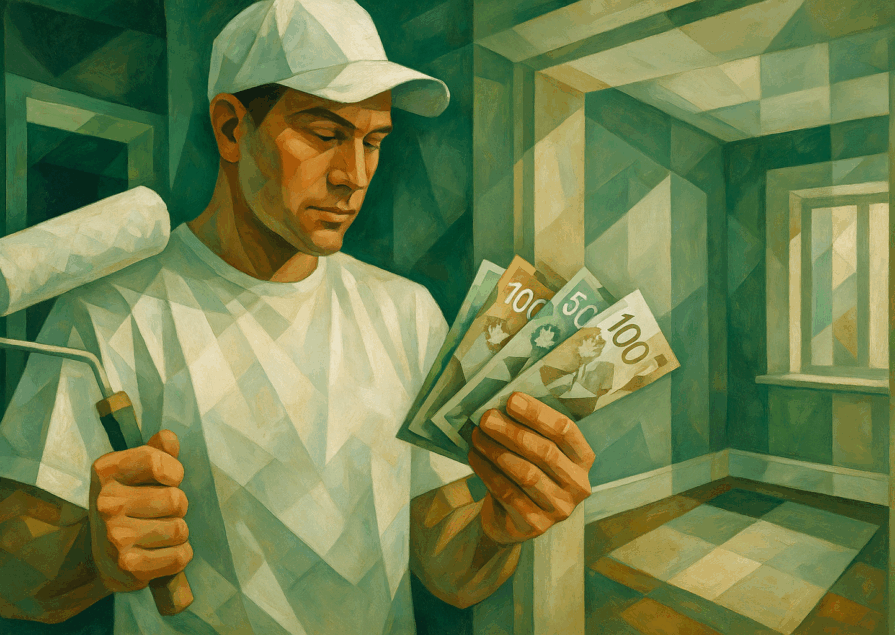
You want real numbers, not vague “it depends”.
Here is the fast answer:
A small home or condo in Canada typically costs around CA$2,000 – CA$3,000 to paint inside.

Prep, priming and paint done right Painting a deck is not just about making it look pretty. Done well, it:
Protects the wood from UV, rain, and snow
Makes the surface easier to clean
Hides old stains and mismatched boards
Adds serious curb appeal
So why paint a deck instead of stain it?

You spot it. That crusty smear of paint on your beautiful hardwood. Not cute.
The good news: you can remove dried paint from hardwood floors without sanding the entire thing down.

You’ve bought the paint. You’ve cleared the room. Roller in one hand, brush in the other.
Then the classic DIY panic hits:
Do I paint the walls or the trim first?
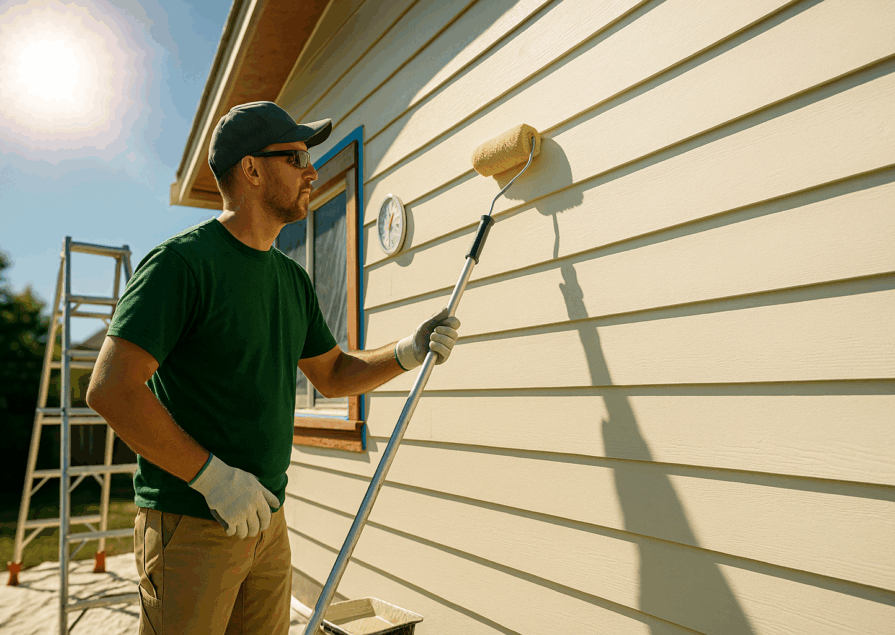
Heat is one of the most destructive forces affecting paint performance, yet it’s often overlooked until costly failures occur. Whether you’re a professional contractor facing warranty claims or a homeowner dealing with peeling paint after a scorching summer, understanding how temperature impacts paint chemistry is crucial for achieving lasting, professional results.
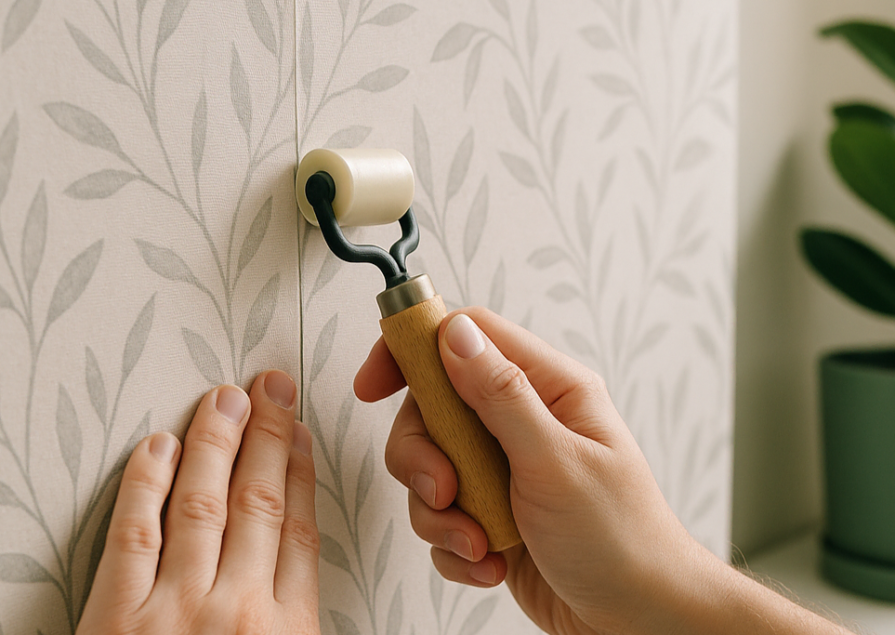
Damaged wallpaper doesn’t always mean expensive replacement. Whether you’re dealing with tears, bubbles, peeling edges, or stains, most wallpaper damage can be repaired effectively with the right techniques and materials.
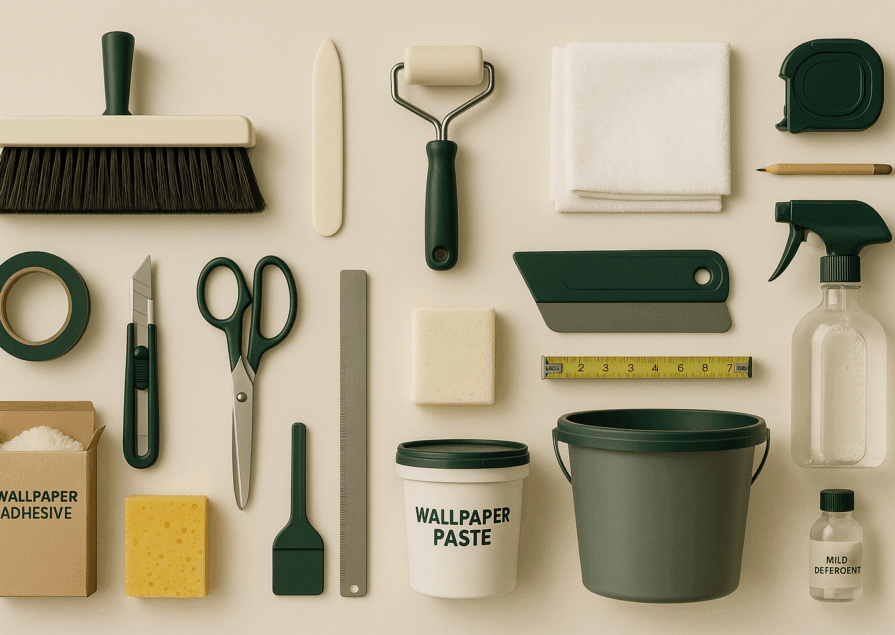
Essential Tools for Wallpaper Care: Complete Guide for Homeowners
Wallpaper can transform any room into a stunning visual statement, but maintaining its beauty requires the right tools and knowledge.
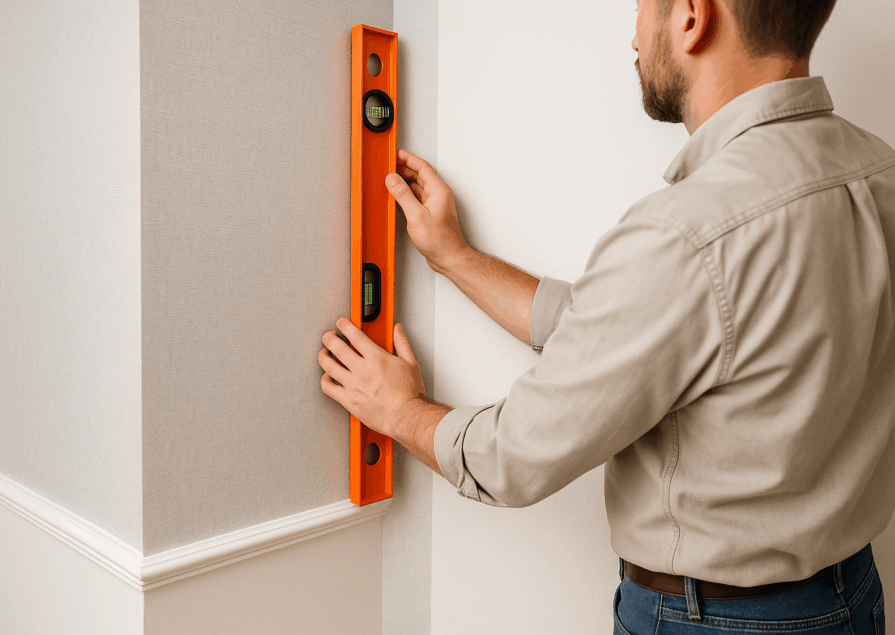
Alright, let’s cut to the chase. You’ve been cruising through your wallpapering project like a champ, feeling all Bob Vila-ish, and then BAM – you hit your first corner and suddenly everything goes sideways faster than a Windows ME installation.
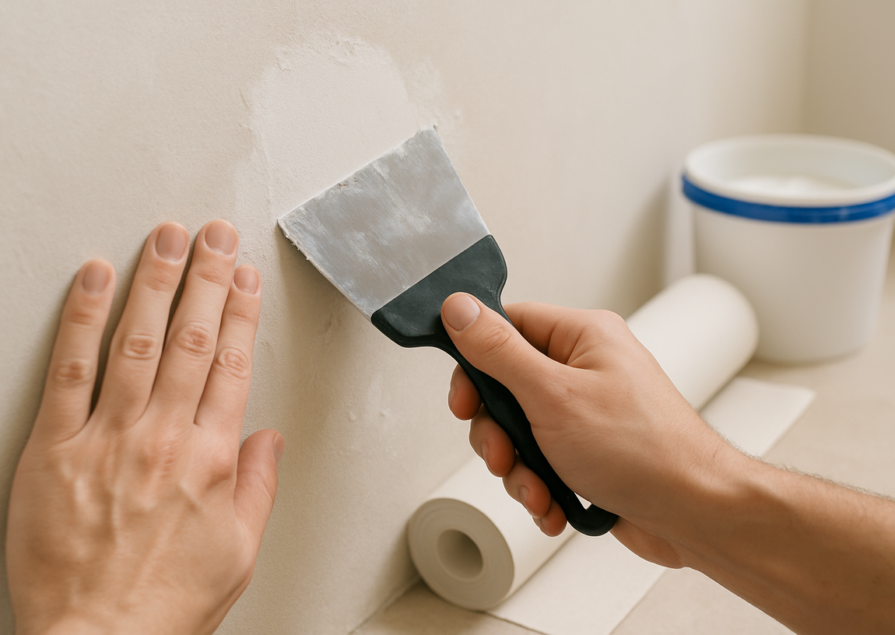
Installing wallpaper can transform any room, but the difference between a professional-looking result and a disappointing failure often comes down to one critical factor: wall preparation.
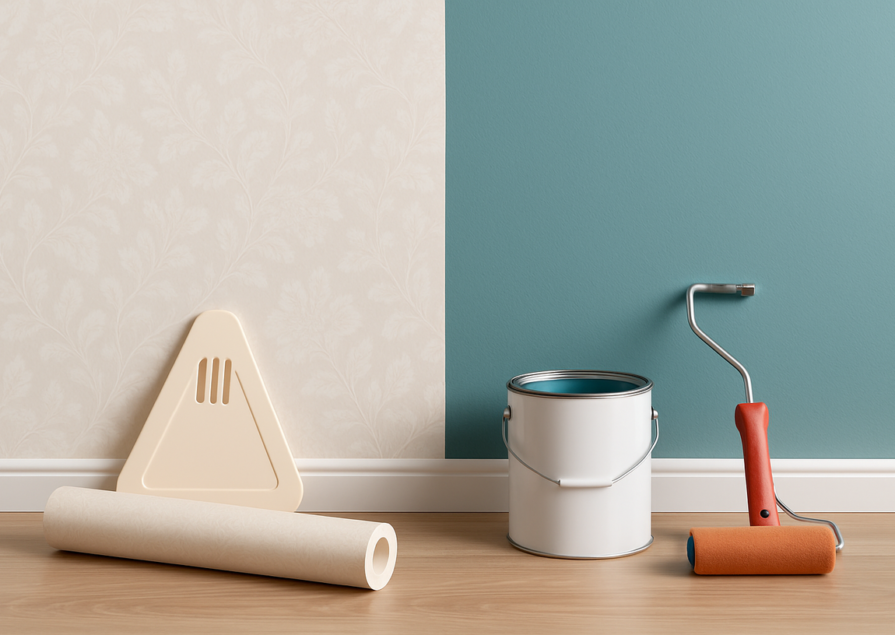
Choosing between wallpaper and paint is one of the most common dilemmas homeowners face during renovations. While both options can transform your space, they differ significantly in cost, installation complexity, durability, and long-term value.
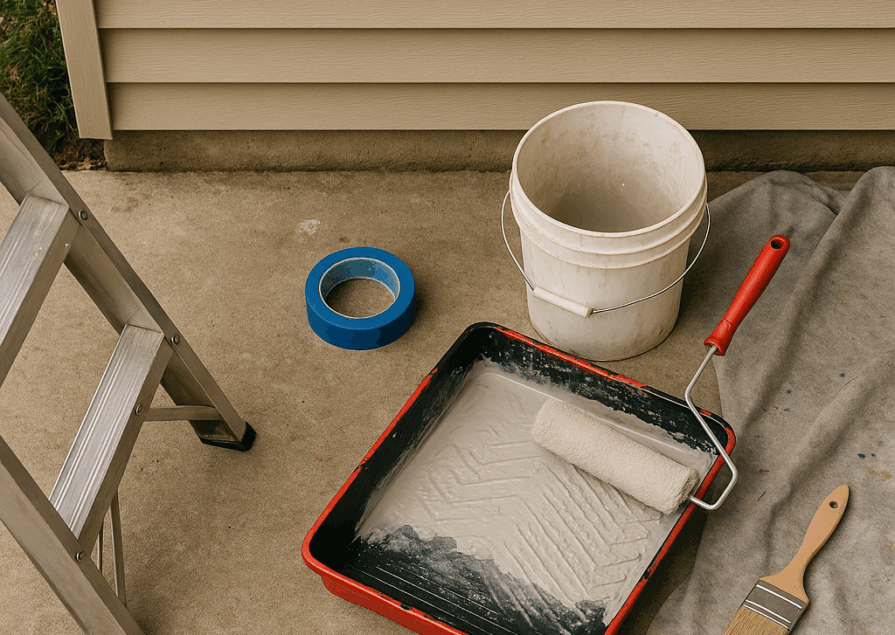
Why Proper Preparation Makes or Breaks Your Exterior Paint Job
Eight out of ten paint failures trace back to inadequate prep. Industry studies consistently attribute ≈ 80 % of peeling, blistering, and premature fading to surface-prep mistakes, not paint quality.