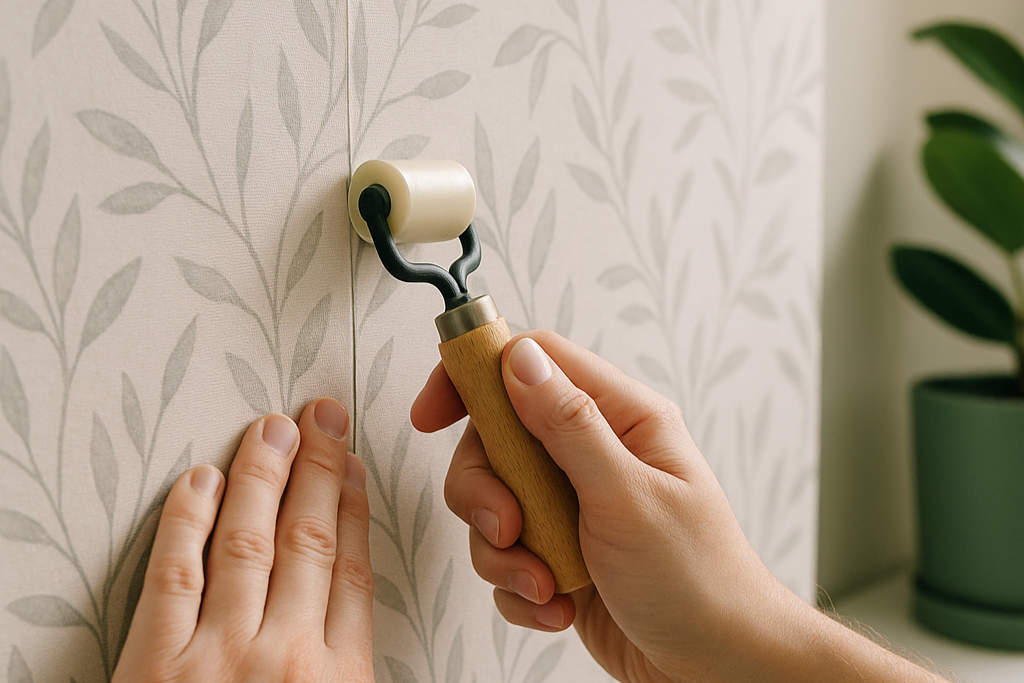
Removing wallpaper is rarely just peeling paper off a wall. In many Vancouver homes, the real work is identifying what is underneath, safely releasing the paper and adhesive, repairing torn drywall or plaster, sealing residue, and finishing the room so the new paint looks crisp instead of patchy.
Cost
Plan on $6 to $15+ per wall square foot for removal, repair, primer, and painting.Simple, strippable paper can be lower. Painted-over paper, vinyl, damaged drywall, plaster, high walls, or multiple layers push the project higher.
Timeline
Most single rooms take 3 to 5 working days from protection to final coat.One day may be removal. The remaining time is usually glue cleanup, drying, patching, skim coating, sanding, priming, painting, and walkthrough.
Fast answer for homeowners
If you want wallpaper removed and the room repainted, ask for a fixed scope that includes protection, wallpaper and adhesive removal, drywall or plaster repair, primer or sealer, two finish coats, cleanup, leftover paint labelling, and a final walkthrough. Wallpaper removal should be quoted as a wall-finishing project, not just a scraping task.

Ready to turn wallpaper into smooth painted walls?
Hemlock can assess the wallpaper, adhesive, wall damage, room access, and finish standard before giving you a clear project quote.
How much does wallpaper removal cost in Vancouver?
For budgeting, think in layers. The lowest number is the cost to get paper off the wall. The more useful number is the cost to make the wall paint-ready. National 2026 cost guides put professional wallpaper removal around $0.60 to $3.00 per square foot in many markets, with higher ranges for soaking, scraping, and stubborn conditions.11, 12 Vancouver painting and renovation labour tends to be higher than many national averages, so local projects should be planned with a wider range and confirmed with an in-home estimate.13
| Scope | Planning range in Vancouver | What is usually included | When it costs more |
|---|---|---|---|
| Removal only | $2 to $5 per wall sq. ft. | Protection, scoring where needed, stripping, basic adhesive cleanup, debris bagging. | Vinyl, grasscloth, painted-over wallpaper, multiple layers, stairwells, tight trim, or plaster. |
| Removal plus wall repair | $4 to $9 per wall sq. ft. | Removal, glue cleanup, torn paper sealing, patching, sanding, spot skim coating. | Large gouges, failed previous repairs, water staining, loose plaster, or old adhesive that keeps reactivating. |
| Remove, repair, prime, and paint | $6 to $15+ per wall sq. ft. | Complete wall finishing: wallpaper removal, repairs, sealer or primer, and two finish coats. | High-end finish expectations, dark-to-light colour changes, complex trim, occupied homes, condos with access rules. |
| Hazard testing or abatement | Quoted separately | Asbestos or lead testing, hazardous material handling, licensed abatement if required. | Older homes, pre-1990 drywall mud, textured surfaces, damaged painted layers, or renovation work that disturbs suspect materials. |
These are planning ranges, not a quote. Hemlock’s fixed project estimate depends on a site visit, the wall area, wallpaper type, wall condition, access, finish level, and whether you want the room repainted afterward.
Typical room examples
| Room type | Approximate wall area | Removal and paint-ready repair | Full remove, repair, prime, and paint |
|---|---|---|---|
| Powder room or small entry | 100 to 180 sq. ft. | $500 to $1,600 | $900 to $2,700+ |
| Bedroom | 300 to 450 sq. ft. | $1,200 to $4,000 | $2,000 to $6,750+ |
| Living or dining room | 500 to 800 sq. ft. | $2,000 to $7,200 | $3,500 to $12,000+ |
| Hallways, stairwells, or multiple rooms | Varies widely | Fixed quote recommended | Fixed quote recommended |
For a more accurate painting-only comparison after removal, review Hemlock’s guide to painter cost per square foot in Vancouver and the broader guide to interior painting costs. Wallpaper projects usually land above basic painting because the prep risk is higher.
What drives the price up or down?
Wallpaper removal is labour-heavy because the crew is solving a surface problem in real time. Two bedrooms with the same square footage can price very differently if one has strippable paper over primed drywall and the other has vinyl wallpaper glued directly to unprimed drywall.
- Number of layers. One layer of strippable paper is faster. Two or three layers, borders over wallpaper, or paper painted over with latex paint can require scoring, steaming, soaking, scraping, and more wall repair.
- Wallpaper material. Vinyl, foil, fabric, grasscloth, and nonporous coverings resist water, so adhesive remover cannot easily reach the paste layer. Benjamin Moore notes that wallpaper can include materials beyond paper and that both the surface layer and adhesive layer need to come off before painting.5
- Substrate condition. Primed drywall is more forgiving. Unprimed drywall can tear. Plaster may need different repair materials. Water-damaged or powdery surfaces can require sealing before patching.
- Wall height and access. Stairwells, double-height entries, built-ins, radiators, tight millwork, and condo elevator logistics all add setup and labour.
- Hazard checks. Older Vancouver homes can contain asbestos or lead in surrounding materials. WorkSafeBC says asbestos was widely used in B.C. building materials until the early 1990s, and suspected asbestos should not be touched or moved until a qualified professional assesses it.1, 2
- Finish expectations. A rental repaint and a high-end living room finish do not require the same wall flatness. If you want crisp walls under natural light, budget for more repair, sanding, sealing, and inspection.

How long does wallpaper removal take?
A good timeline protects the finish. If the walls are washed and patched too quickly, moisture and adhesive can get trapped under primer. Sherwin-Williams recommends allowing washed walls to dry thoroughly before moving to the next steps and notes that 24 hours is a common drying allowance depending on humidity.6
| Project condition | Typical working time | Typical calendar time | Why it takes that long |
|---|---|---|---|
| Small room, strippable paper, minimal damage | 1 to 2 working days | 2 to 4 calendar days if repainting | Removal is quick, but cleaning, drying, spot repair, primer, and paint still need time. |
| Standard bedroom or dining room | 2 to 4 working days | 3 to 5 calendar days | Most projects need glue removal, sanding, patching, primer, and two coats of paint. |
| Painted-over wallpaper or multiple layers | 3 to 6 working days | 5 to 8 calendar days | More time is needed to break through coatings, remove adhesive, and repair gouges or torn paper. |
| Skim coat or high-finish walls | 4 to 8 working days | 1 to 2 weeks | Compound needs application, drying, sanding, sealing, primer, and inspection between steps. |
| Hazard testing or abatement required | Project-specific | Testing and abatement can add days or weeks | Work should pause until testing confirms the correct safety path. Licensed abatement may be needed in B.C.1 |
What wall repair is needed after wallpaper comes off?
The most common surprise is that the wall looks worse before it gets better. That is normal. Wallpaper can hide torn drywall paper, skim coat ridges, nail pops, stains, cracks, old patching, and glue that turns shiny or sticky when wet.
Minor repair
Small nicks, seams, nail holes, and isolated torn paper. The usual fix is spot sealing, patching compound, sanding, dust removal, and primer.
Moderate repair
Adhesive residue across large areas, scattered gouges, uneven texture, and drywall paper damage. This often needs a sealer, wider skim patches, and more sanding.
Full skim coat
Best when the whole wall surface is rough, shadowy, wavy, or heavily damaged. A skim coat can create a more uniform paint-ready surface, especially in rooms with strong natural light.
Specialty sealing
Adhesive residue, damaged drywall facing paper, chalky surfaces, and porous repairs may need a problem-surface sealer. Zinsser GARDZ, for example, is designed to seal damaged drywall and old wallpaper paste residue.8
The primer is not the place to save money
Leftover adhesive can reactivate under water-based products. Sherwin-Williams warns that painting over wallpaper glue can cause adhesion problems and an uneven finish, while Rust-Oleum’s GARDZ documentation says water-based coatings can reactivate old wallpaper adhesive, leading to cracking and peeling.6, 8 The right sealer or primer is what turns a risky wall into a paintable wall.
Hemlock’s wallpaper-to-paint process
The right process is calm, tidy, and methodical. It should feel similar to a professional interior painting project, with extra attention paid to adhesive, wall damage, and primer compatibility.
Inspect the room and identify risk
The estimator checks wallpaper type, number of layers, whether it has been painted over, wall material, access, surrounding trim, and signs of water damage or hazardous material risk.
Protect floors, furniture, trim, and fixtures
Drop sheets, plastic, tape, and dust control help keep the rest of the home clean. This matters because removal can involve moisture, scrapings, paste, sanding dust, and compound.
Release and remove the wallpaper
Depending on the paper, the crew may dry strip, score, soak, steam, or use an adhesive remover. Benjamin Moore notes that scoring lets removal solution reach and soften the adhesive layer underneath.5
Seal damaged paper and repair the wall
Torn drywall paper, porous compound, or old adhesive may be sealed before patching. Holes, gouges, seams, and uneven areas are filled, skimmed where needed, then sanded smooth.
Prime for adhesion and uniformity
The right primer or sealer helps lock down repairs, prevent flashing, and create an even surface for finish coats. This is especially important on walls that had wallpaper glue or torn drywall facing paper.
Paint, inspect, clean up, and label leftover paint
After the primer is ready, the walls receive finish coats, the room is cleaned, leftover paint is labelled for touch-ups, and the final walkthrough checks the wall under real light.
- Protection first
- Dust-conscious prep
- Premium primers and paints
- Final walkthrough
Not sure if your walls need patching, skim coating, or a full repaint?
Send the room details and book an in-home estimate. Hemlock will look at the wallpaper, adhesive, wall condition, drying needs, and finish goals before recommending the right scope.
Older Vancouver homes: asbestos, lead, and disposal
Wallpaper removal can look harmless, but older wall systems deserve caution. The wallpaper itself is not the only concern. The surrounding drywall compound, texture, plaster, old paint, backing materials, or previous repairs may be the risk.
Asbestos risk
WorkSafeBC says asbestos was widely used in B.C. building materials until the early 1990s and that anyone renovating older buildings can be at risk of inhaling fibres if materials are disturbed.1 If a home was built before 1990 or has unknown wall materials, testing may be needed before disturbing drywall mud, texture, or other suspect materials.
Lead paint risk
Health Canada says homes built before 1960 probably contain lead-based paint, while homes built from 1960 to 1990 may still contain lead paint on some surfaces. Sanding, scraping, or disturbing lead paint can create dangerous dust, especially for children and pregnant people.4
Permit reality
The City of Vancouver lists interior painting as a renovation type that does not need a permit, but moving interior walls, structural repairs, plumbing, electrical, gas, or hazardous-material work can trigger permit or professional requirements.3
If your project also includes textured ceilings, ask about popcorn ceiling removal as a separate scope. Ceiling texture and drywall compound can change both the safety path and the timeline.
Can you remove wallpaper yourself?
Sometimes, yes. A small, newer room with strippable wallpaper over properly primed drywall can be a reasonable DIY project. The risk rises when the paper has been painted over, the wall was never primed, there are multiple layers, or the home is older.
DIY may be reasonable when:
- The home is newer and hazardous materials are unlikely.
- The wallpaper is peeling cleanly in large sheets.
- The drywall paper is not tearing.
- You are comfortable with slow adhesive cleanup.
- You are not expecting a high-end, light-critical finish.
Hire a professional when:
- The paper is painted over, vinyl, textured, or layered.
- The wall surface tears, bubbles, powders, or stays sticky.
- The home may have asbestos or lead concerns.
- The room has high ceilings, stairwells, or detailed trim.
- You want the room repainted with a smooth, durable finish.
If you are comparing companies, use a detailed scope and avoid choosing only by the lowest line item. Hemlock’s guides to choosing a painter in Vancouver, comparing painting quotes, and understanding cheap painters versus quality painters are directly relevant because wallpaper jobs are won or lost in the prep details.
What to ask before you accept a quote
The best quote is not necessarily the cheapest. It is the one that explains exactly how the wall will go from wallpapered to finished.
- How will you identify the wallpaper type and number of layers? The answer should mention inspection, test areas, and different removal methods for different materials.
- Is adhesive removal included? It should be. Leaving glue behind can interfere with paint adhesion and appearance.6, 7
- What wall repair level is included? Ask whether the quote includes minor patching only, spot skim coating, or full skim coating where needed.
- What primer or sealer will be used? Previously wallpapered walls may need specialty primer or sealer depending on residue and drywall damage.
- What happens if asbestos or lead risk appears? The answer should be to stop, test, and follow the correct safety path, not scrape through it.
- How will cleanup and inspection work? Ask how dust, debris, floors, trim, and leftover paint will be handled at the end.
For a more formal scope review, Hemlock’s painter contract essentials and painter hiring checklist can help you make sure prep, warranty, exclusions, products, and cleanup are written down before work begins.
How to prepare for a wallpaper removal estimate
You do not need to diagnose the wall yourself. A few details will help the estimator understand the project faster and spot risk earlier.
- Take photos in natural light. Include corners, seams, outlets, damaged areas, high walls, built-ins, and any areas where the paper is already lifting.
- Share the approximate age of the home. This helps flag whether asbestos or lead screening should be discussed before destructive work begins.
- Measure the room if you can. Wall height, room length, and room width help build a rough wall-area estimate, but a site visit is still best for a fixed quote.
- Know the desired finish. Do you want basic repainting, a smooth high-end finish, or a colour change with premium washable paint?
- Mention strata or access rules. Condos may have elevator booking, parking, noise, protection, and work-hour requirements that affect scheduling.
What paint finish works best after wallpaper removal?
Once the wallpaper is gone, the best finish depends on the room and the wall repair level. Matte and flat finishes hide minor imperfections better, but they are less washable than eggshell or satin. Eggshell is often a practical wall finish for bedrooms, living rooms, and hallways. Bathrooms, kitchens, and laundry areas may need more moisture-conscious paint choices and stronger surface prep.
If the wallpaper was in a bathroom or kitchen, ask for extra scrutiny around ventilation, old adhesive, staining, and moisture. For bathrooms specifically, Hemlock’s guide to the best paint for bathrooms can help you choose a finish that is easier to maintain after the wall is repaired.
For broader repaint planning, Hemlock’s guides on why surface prep is crucial and common surface preparation mistakes explain why the final coat only looks as good as the wall underneath.
Is wallpaper removal worth it before painting?
Usually, yes. Benjamin Moore does not recommend painting over wallpaper, especially high-sheen or heavily textured wallpaper, because even premium paint will not hide seams well.14 Sherwin-Williams also says wallpaper should be removed before painting and the old adhesive washed off before priming.7
Painting over wallpaper can feel cheaper in the moment, but it often transfers the cost to later. Seams can telegraph. Bubbles can appear. Adhesive can reactivate. Future removal can become harder because paint locks the paper to the wall. If the goal is a clean, long-lasting painted room, removal and repair are usually the better investment.
Get a clean wall, not just a scraped wall.
Book an estimate for wallpaper removal, wall repair, primer, and repainting from a Vancouver painting team focused on careful prep, clear communication, and a finish you are happy to live with.
Frequently asked questions
How much does wallpaper removal cost in Vancouver?
For a full wallpaper-to-paint project, a useful planning range is about $6 to $15+ per wall square foot, depending on wallpaper type, adhesive, wall damage, primer needs, room access, and finish expectations. Removal-only work can be less, but it may not leave the wall ready for paint.
How long should walls dry after wallpaper removal?
After washing glue residue, 24 hours is a common drying allowance before repair, primer, or paint, but Vancouver humidity, ventilation, plaster, and wall damage can change the timeline.6 A professional crew should confirm the wall is dry and sound before coating it.
Can I paint over wallpaper glue?
It is best not to. Sherwin-Williams says residual glue can interfere with adhesion and create streaks, and Rust-Oleum notes that water-based coatings can reactivate old adhesive, causing cracking and peeling.6, 8
Will wallpaper removal damage drywall?
It can, especially if the wallpaper was installed on unprimed drywall, has multiple layers, or was painted over. Damage is repairable, but the quote should include patching, sealing torn paper, sanding, and primer so the finished wall looks even.
Do I need a permit to remove wallpaper and paint in Vancouver?
Interior painting itself is listed by the City of Vancouver as not requiring a permit. But moving interior walls, structural changes, electrical, plumbing, gas, and hazardous-material work can require approvals or qualified professionals.3
Do older Vancouver homes need asbestos testing before wallpaper removal?
Possibly. WorkSafeBC says asbestos was widely used in B.C. building materials until the early 1990s and recommends qualified assessment when suspect materials may be disturbed.1, 2 If the work may disturb drywall mud, texture, plaster, or other older materials, ask about testing before scraping or sanding.
Does Hemlock provide a warranty?
Hemlock’s FAQ states that workmanship is warrantied for 3 years on all surfaces except floors, steps, and decks. Review the warranty details and confirm how your wallpaper removal, wall repair, and repainting scope will be documented.
References
- WorkSafeBC: Asbestos. Guidance on asbestos risks, pre-1990 building materials, qualified professionals, and licensing.
- WorkSafeBC: A home renovation should not actually take your breath away. Homeowner guidance on asbestos testing before renovation, demolition, or maintenance work.
- City of Vancouver: Renovate a home. Permit table for interior painting, wall changes, hazardous materials, and renovation requirements.
- Health Canada: Lead-based paint. Lead paint risk in older Canadian homes and safety advice before disturbing paint.
- Benjamin Moore: How to Remove Wallpaper in 6 Steps. Wallpaper layers, scoring, adhesive remover, and paint-ready preparation.
- Sherwin-Williams: How to Paint After Removing Wallpaper. Glue removal, drying, repair, sanding, skim coating, priming, and painting.
- Sherwin-Williams: How to Prep Surfaces for Painting. Surface prep guidance, wallpaper removal, washing old adhesive, drying, and priming.
- Rust-Oleum: Zinsser GARDZ Problem Surface Sealer. Use on damaged drywall, wallpaper paste residue, and porous problem surfaces.
- City of Vancouver: Disposing of drywall. New and used drywall disposal rules, fees, bagging, and asbestos warnings.
- Metro Vancouver: Used gypsum disposal program. Used gypsum drop-off rules, limits, fees, and asbestos warning.
- HomeGuide: Wallpaper Removal Cost. 2025 to 2026 wallpaper removal cost ranges by square foot, room, and method.
- Angi: How Much Does Wallpaper Removal Cost?. 2026 cost ranges, cost factors, removal methods, repair add-ons, and labour ranges.
- RenoCalc: Painting Renovation Cost in Vancouver. Vancouver-specific renovation painting cost context and local cost index.
- Benjamin Moore: How to Prepare Walls for Painting. Guidance that painting over wallpaper is not recommended, especially high-sheen or heavy-texture wallpaper.